Showing posts with label bearing extractor. Show all posts

Wednesday, 16 February 2022

What are bearing pullers made of? | DNT Auto Tools FAQ

DNT Tools is professional and leading tool manufacturer from China. own drop forgging workshop. offer custom new tools service and product forgging service,OEM Service

All puller from DNT Tools is made of Alloy Steel, and drop forgging product to ensure high quality and surface. suitable to top market business in Europe and american 


Material: GB 40CR Alloy steel(SAE-AISI 5140 steel )


Chemical composition of 40Cr steel

 
rade 
C
Si
Mn
Cr
Ni(≤)
Cu(≤)
P(≤)
S(≤)
40Cr 
0.37-0.44
0.17-0.37
0.5-0.8
0.8-1.0
0.3
0.03
0.035
0.035
Physical property of 40Cr


Sample blank size (mm):25


The first quenching heating temperature (ºC):850; coolant: Oil


Second quenching heating temperature (ºC):-


Tempering heating temperature (ºC):520;


Tensile strength (σb/MPa): ≥980


The yield point (σs/MPa): ≥785


Elongation (δ5/%): ≥9


Section shrinkage (ψ/%): ≥45


gear puller
40CR alloy steel is used to produce bearing pullers because it provides them with a very strong structure that is able to withstand wear.


Bearing pullers need to be able to remove bearings, gears or pulleys without becoming easily worn or damaged.


2. Heat Treated
heat treated


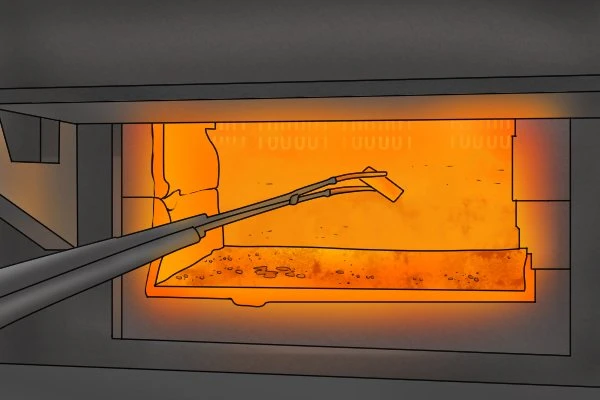
Bearing pullers are heat treated for increased wear and strength.


3. Chrome plated


Chrome plated


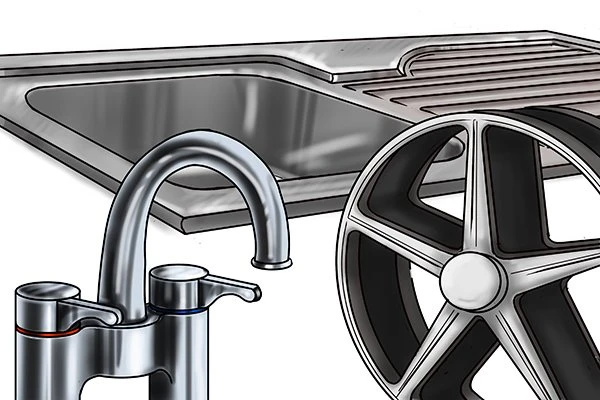
The bearing pullers are chrome plated to resist corrosion. Corrosion is when iron reacts with oxygen and forms a reddish-brown oxide that we know as rust. When steel corrodes it deteriorates and eventually decays over time.


What are bearing pullers made of? | DNT Auto Tools FAQ: What are bearing pullers made of?

Wednesday, 10 November 2021

What's Different Types Of Pullers And The Key Features To Consider

 Trying to remove shaft-mounted components without using the right types of puller can be frustrating and time-consuming. Interference fits, dirt, and corrosion can make the removal process difficult.


Trying alternatives to pullers, such as cutting, torching, or hammering presents clear safety risks. Furthermore, there’s also the likelihood of causing damage to the machine components you are trying to maintain!

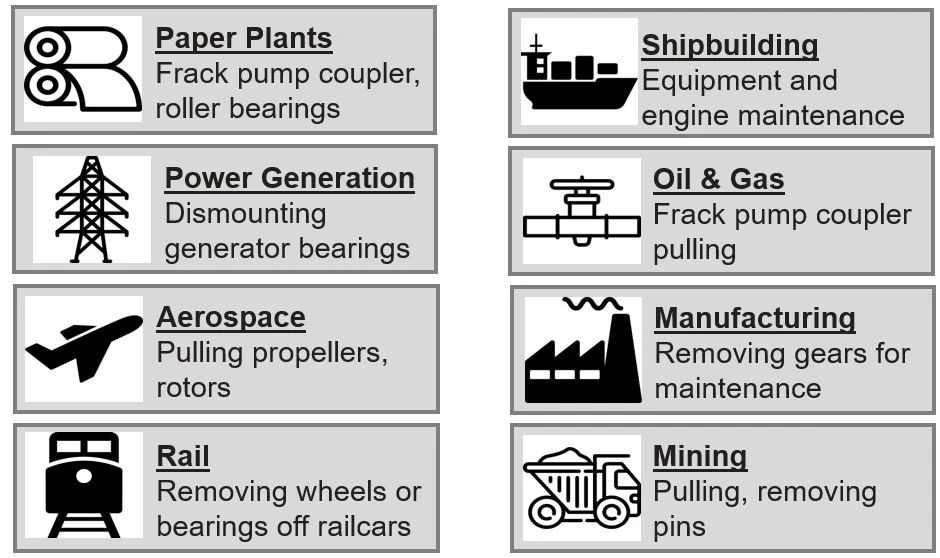
Mechanical and hydraulic pullers are great tools for removing components across many different industrial sectors. Smaller types of puller are widely used by technicians in places such as small automotive workshops. Larger higher tonnage models are used throughout heavy industries, such as those shown in the diagram below.

Projects requiring the use of a puller usually involve the maintenance of rotating equipment. Common components to remove include bearings, gears, wheels, pins, bushings, sleeves, couplers, sprockets, and pulleys.
What are the main types of pullers?
There are many different types of pullers available to choose from. If you select one best suited to your application, you’ll get the job done safely, efficiently – and without causing damage.

The most common types of pullers are available in either 3 jaws or 2 jaw configurations. 3 jaw pullers are the most widely used because the extra jaw helps distribute the force more evenly. But where access is limited a 2-jaw puller can be used, provided it is used carefully.

Mechanical and Hydraulic Pullers
Mechanical pullers work by rotating a crossbar which moves the center bolt/force screw towards the shaft.

Hydraulic pullers include an integral hydraulic cylinder that is powered by a pump to apply the required force. The plunger then provides direct, non-twisting application of thrust, which is more effective and more secure.

If you’re looking specifically for tools to remove bearings, there’s a number of dedicated tools designed for this. For example, Enerpac offers bearing pullersbearing separators, and bearing cup pullers.

Internal Pullers
These are used to remove shaft-mounted parts where no spindle support is available. An internal puller is used with an attached slide hammer which allows a high-impact force to be applied.

Features to consider when choosing a puller
Two or three jaws?

As described above, where space permits it is best to use a 3 jaw puller. They are safer and easier to use.

Hydraulic vs mechanical

Hydraulic types of pullers are easier to operate than their mechanical equivalents, but you will need a pump, hose, and gauge. Depending upon the size of the puller, the pump may be powered by hand, air, or electricity.

Reach

The reach is the available distance between the pulling surface of the jaw and the jaw head of the puller. This distance varies and decreases as the jaws open. Enerpac lock grip pullers offer an impressive reach-to-diameter ratio. This is because they include a different method to the cage system that others use. Additionally, the inside profile of the jaws allows for deeper components to be pulled.

Synchronous and Self-Centering Jaws

The synchronous feature of Enerpac lock grip pullers allows all jaws to move simultaneously. Benefits of this feature are that the spindle stays centered on the shaft, misalignment is prevented, set up requires fewer people, and takes and less time.

Locking Mechanism

The locking mechanism helps prevent jaws from slipping off the application during the pulling process. Turning the puller handle locks the jaws onto the application – allowing the shaft mounted component be pulled free when the spindle is turned.

Spread

The spread is simply the diameter that the jaws extend to. Usually up to 25 inches

Tonnage

Pullers are available with a wide range of capacities. The majority of models available range somewhere between 2 and 64 imperial tons. However, specialist 2 and 3 jaw 100-ton puller units are available from Enerpac. These large and heavy products are mounted on a cart with an on-board lift and hydraulic pump.


Buy Puller Sets

Pullers are available to buy individually, or as part of a set. If you expect to carry out different pulling jobs regularly then consider buying a set. A typical set will include the puller, a pump, a hose, and pressure gauge. Master puller sets include not just one puller type but also, cross bearing puller, a bearing separator, and a bearing cup puller.


Wednesday, 27 October 2021

What's Different Types Of Pullers And The Key Features To Consider

 Trying to remove shaft-mounted components without using the right types of puller can be frustrating and time-consuming. Interference fits, dirt, and corrosion can make the removal process difficult.


Trying alternatives to pullers, such as cutting, torching, or hammering presents clear safety risks. Furthermore, there’s also the likelihood of causing damage to the machine components you are trying to maintain!

Mechanical and hydraulic pullers are great tools for removing components across many different industrial sectors. Smaller types of puller are widely used by technicians in places such as small automotive workshops. Larger higher tonnage models are used throughout heavy industries, such as those shown in the diagram below.

Projects requiring the use of a puller usually involve the maintenance of rotating equipment. Common components to remove include bearings, gears, wheels, pins, bushings, sleeves, couplers, sprockets, and pulleys.
What are the main types of pullers?
There are many different types of pullers available to choose from. If you select one best suited to your application, you’ll get the job done safely, efficiently – and without causing damage.

The most common types of pullers are available in either 3 jaws or 2 jaw configurations. 3 jaw pullers are the most widely used because the extra jaw helps distribute the force more evenly. But where access is limited a 2-jaw puller can be used, provided it is used carefully.

Mechanical and Hydraulic Pullers
Mechanical pullers work by rotating a crossbar which moves the center bolt/force screw towards the shaft.

Hydraulic pullers include an integral hydraulic cylinder that is powered by a pump to apply the required force. The plunger then provides direct, non-twisting application of thrust, which is more effective and more secure.

If you’re looking specifically for tools to remove bearings, there’s a number of dedicated tools designed for this. For example, Enerpac offers bearing pullersbearing separators, and bearing cup pullers.

Internal Pullers
These are used to remove shaft-mounted parts where no spindle support is available. An internal puller is used with an attached slide hammer which allows a high-impact force to be applied.

Features to consider when choosing a puller
Two or three jaws?

As described above, where space permits it is best to use a 3 jaw puller. They are safer and easier to use.

Hydraulic vs mechanical

Hydraulic types of pullers are easier to operate than their mechanical equivalents, but you will need a pump, hose, and gauge. Depending upon the size of the puller, the pump may be powered by hand, air, or electricity.

Reach

The reach is the available distance between the pulling surface of the jaw and the jaw head of the puller. This distance varies and decreases as the jaws open. Enerpac lock grip pullers offer an impressive reach-to-diameter ratio. This is because they include a different method to the cage system that others use. Additionally, the inside profile of the jaws allows for deeper components to be pulled.

Synchronous and Self-Centering Jaws

The synchronous feature of Enerpac lock grip pullers allows all jaws to move simultaneously. Benefits of this feature are that the spindle stays centered on the shaft, misalignment is prevented, set up requires fewer people, and takes and less time.

Locking Mechanism

The locking mechanism helps prevent jaws from slipping off the application during the pulling process. Turning the puller handle locks the jaws onto the application – allowing the shaft mounted component be pulled free when the spindle is turned.

Spread

The spread is simply the diameter that the jaws extend to. Usually up to 25 inches

Tonnage

Pullers are available with a wide range of capacities. The majority of models available range somewhere between 2 and 64 imperial tons. However, specialist 2 and 3 jaw 100-ton puller units are available from Enerpac. These large and heavy products are mounted on a cart with an on-board lift and hydraulic pump.


Buy Puller Sets

Pullers are available to buy individually, or as part of a set. If you expect to carry out different pulling jobs regularly then consider buying a set. A typical set will include the puller, a pump, a hose, and pressure gauge. Master puller sets include not just one puller type but also, cross bearing puller, a bearing separator, and a bearing cup puller.

Wednesday, 20 October 2021

How to find a right puller | DNT Auto Tools FAQ

How to find a right puller | DNT Auto Tools FAQ: How to find a right puller

-What are you trying to pull? Are you trying to pull a shaft out of something, pull something out of a hole or pull something off a shaft? This will help you determine if you need a push-puller, jaw-type puller, slide hammer or one with internal or external-internal adapters.

-Determine the reach and spread you need. This will make sure your puller is long enough and the jaws, if applicable, open wide enough to exert enough force to pull the object.

-Estimate the force required. Normally, if you account for reach and spread, DNT’s pullers will have enough force. When in doubt, always use the next larger size to account for frozen or rusted parts. 

Now that you’ve determined what you’re trying to pull, find a corresponding puller to finish the job. 

-If you’re pulling something off a shaft, you can use a jaw-type, push-puller, slide hammer or bearing puller with attachment. 

This includes removing a gear, bearing, wheel or pulley

-If your job includes pulling something out of a hole, look for internal pulling attachments coupled with a slide hammer or a push-puller.

This option helps remove internal bearing cups, retainers or oil seals that are press-fitted

-When you need to pull a shaft out of something, look for threaded adapters, internal or external, for use with slide hammers or a push-puller.  

Typically you need these pullers when removing a transmission shaft or pinion shaft from a bore or housing. 

Regardless of puller selected, always keep the tool clean and frequently lubricate the forcing screw fully to extend the tool’s life. With tons of force, we can’t stress safety enough when using pullers. Before using one of our pullers, we recommend reading the DNT safety puller information sheet, found here.

Wednesday, 15 September 2021

Wholesale Bearing splitter | DNT Auto Tools

Wholesale Bearing splitter | DNT Auto Tools: Wholesale Bearing splitter from Brand:DNT Auto Tools;Model:DN-D2011;Warranty:12 Months; Material:SAE 5140; hardness:38-42 HRC; type:bearing puller; Packing:carton;
 
new product bearing splitter tool is new type bearing puller,and already is OUT NOW 

click up link to learn more